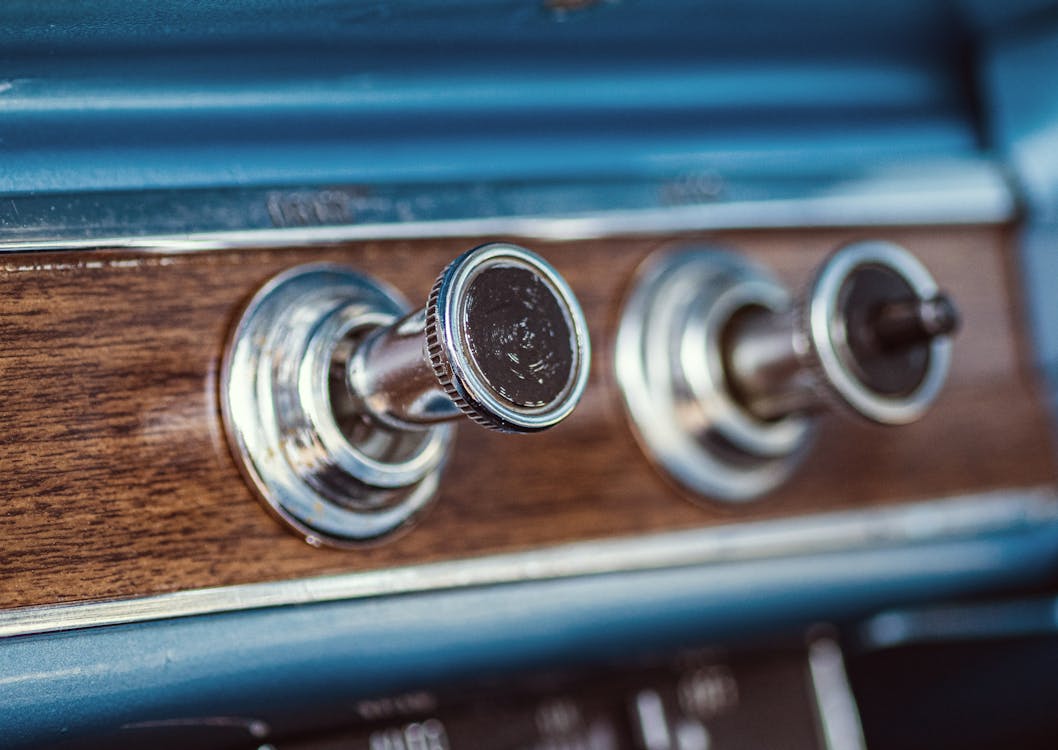
For the past years, vehicle interiors have been swiftly evolving towards sleek, screen-dominated control panels. Touchscreens replaced traditional handles, sliders, and buttons in what several assumed was the unpreventable march of progression. Yet, in an unforeseen spin, physical buttons are silently making their way back into modern-day vehicles. The change signals greater than simply a timeless nod-- it's an action to real-world feedback from vehicle drivers yearning simpleness, security, and tactile satisfaction.
The Digital Overload Dilemma
When touchscreens initially began taking over dashboards, they felt like the future: clean, customizable, and filled with features. They got rid of clutter and enabled automakers to simplify their insides with fewer physical components. But as even more attributes were hidden within digital menus, chauffeurs began to articulate issues.
Touchscreens frequently call for multiple actions to perform fundamental jobs like adjusting the environment or altering the radio station. Unlike switches, they lack the intuitive muscle memory that permits a chauffeur to change a setup without taking their eyes off the road. With so much happening on-screen, it ends up being all too very easy to get distracted-- something no one wants when traveling at highway speeds.
The Return of Tactile Functionality
Among the most significant benefits of switches is their tactile feedback. You can feel them without requiring to look. This sensory reinforcement makes them not simply hassle-free but much safer for vehicle drivers. When your hand instinctively understands where the volume knob is or exactly how far to push a button to turn on the defrost, it minimizes the requirement to glance down or away from the road. And while touchscreens use convenience for infotainment and navigation, the vital everyday functions-- like threat lights, audio controls, and HVAC-- really feel much better matched to physical controls.
Actually, many drivers that formerly spoke highly of electronic systems have revealed appreciation for newer versions that blend modern aesthetic appeals with the practical feeling of traditional controls. It's not regarding denying development-- it's concerning boosting usability.
A Balanced Design Philosophy
Designers have actually noticed this shifting sentiment. As opposed to deserting screens, they're rethinking exactly how they're integrated. The most effective insides currently strike an equilibrium between digital flexibility and analog precision. That implies tactically positioning switches for crucial features while using electronic user interfaces for applications, navigating, and media.
This hybrid strategy is specifically preferred in lorries designed for long-distance driving or families. The convenience of pressing a switch without messing up via a food selection makes a large difference when you're trying to stay concentrated, comfy, and risk-free. Even in vehicles recognized for sophisticated technology, an easy rotary dial or responsive control can be the attribute that sways chauffeurs looking for thoughtful layout.
Buttons and the Emotional Connection
There's additionally something distinctively emotional concerning buttons. They bring a certain degree of engagement that touchscreens simply don't reproduce. Pushing a button or transforming a dial feels like you're literally engaging with your automobile-- it includes a layer of connection that makes the driving experience more delightful.
For those source thinking about used Chevy cars, lorries from recent years commonly provide the most effective of both globes: responsive touch interfaces coupled with timeless physical controls. These models bridge the gap between technology and familiarity, making them optimal for vehicle drivers that appreciate modern functions without giving up convenience of use.
Technology Isn't Just About Screens
It's easy to conflate innovation with displays, yet real innovation implies boosting the driver experience. In this light, buttons are a form of smart design. They're fast, accurate, and don't require focus. As auto design becomes increasingly driver-centric, convenience and intuitiveness take spotlight.
This additionally connections directly into the resale and trade-in value of vehicles. Vehicles that prioritize user-friendly attributes often tend to age better in the eyes of future buyers. If you're considering a Chevrolet trade in, knowing that your existing automobile offers an attentively developed inside, total with easily available controls, can have a positive effect.
The Future Is Functional
As vehicle makers re-evaluate the role of interfaces in the cabin, they're led by chauffeur responses and real-world usability researches. The resurgence of buttons does not signal a return to the past-- it's a progression in thoughtful, user-first design. It acknowledges that progression does not always mean getting rid of the old but incorporating it in a way that makes driving much safer, less complex, and more delightful.
If you're in the market and checking out Chevy new car deals, keep an eye on exactly how different models manage their indoor controls. It's not nearly the touchscreen dimension-- it's about how the car assists you stay concentrated on the roadway while making your everyday commute a lot more user-friendly. Buttons may not be the flashiest feature, but they're promptly turning into one of the most appreciated.
For even more insights into automotive fads, interior decoration advancements, and smart vehicle purchasing ideas, make sure to check back on a regular basis. We're always updating the blog site with fresh ideas to aid you navigate the roadway ahead.